
Komadrona Media Lab

Komadrona Media Lab
Nos repensarnos como un espacio de Intersección comunitaria de saberes plurales que se expanden, y que contribuyen a la visibilización y mirada crítica de presentar formas diversas de vivenciar el parto. Desde un enfoque antropológico situado en lo social, político y cultural, hacia la reparación de la memoria, saberes y prácticas, que cuidan, sostienen y promueven la justicia reproductiva, la decolonización del nacimiento y la dignificación del buen parir, el buen nacer como bienestar colectivo.
We are a research media space of community intersection where, through art, documentaries, photography, and multimodal media, we honor the plural knowledges that continue to expand and contribute to the recognition and visibility of critical perspectives, sourounding birth.
From an media anthropological approach grounded in the social, political, and cultural, we work toward the repair of memory, knowledge, and practices that care for, sustain, and promote reproductive justice, the decolonization and dignity of birth, midwives, and collective well-being.
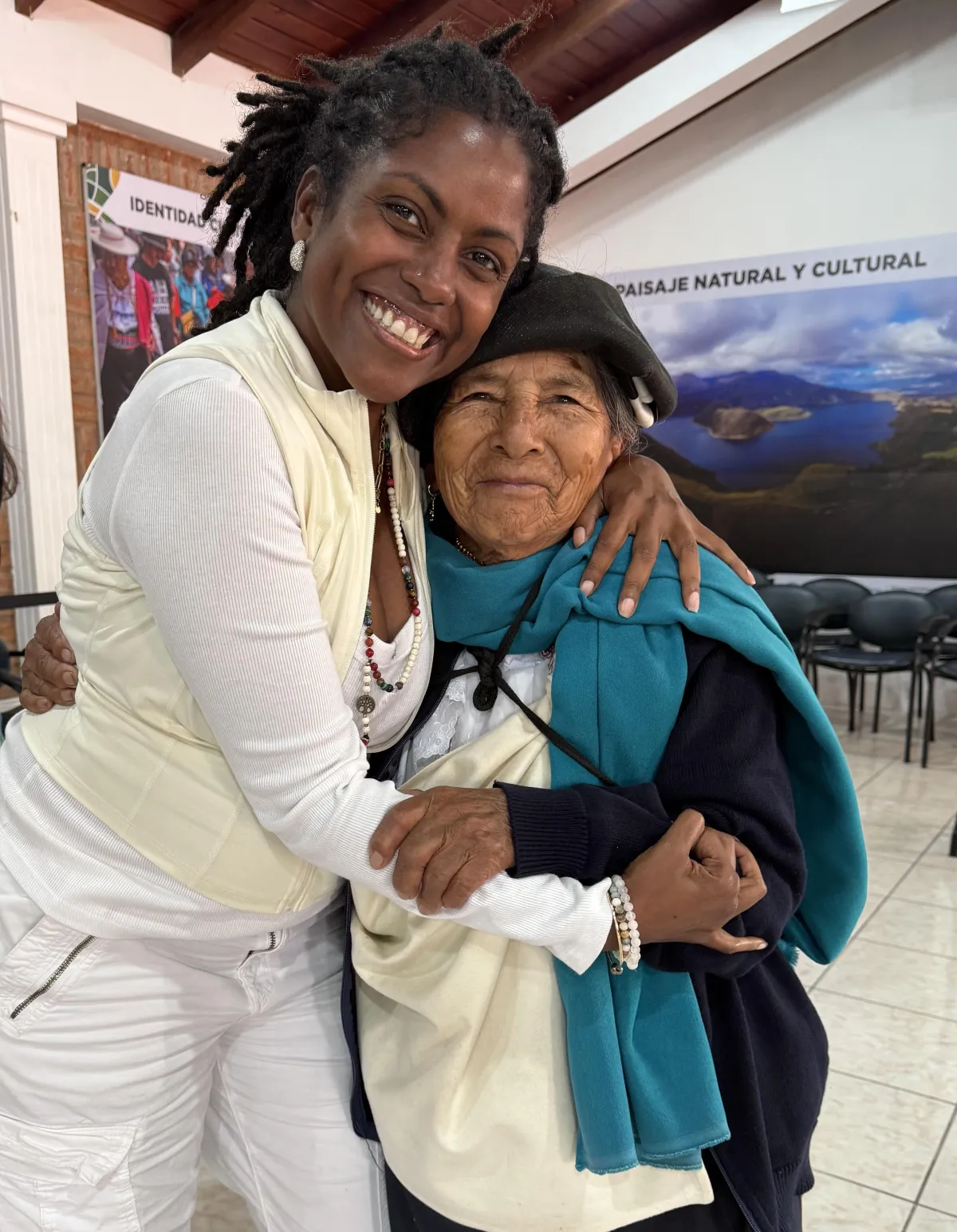
Parteras ~ Midwives
My name is Zul Midwife & Medical Anthropologist founder and Director of Komadrona Media Lab along with a wonderful collaborators. We seek to create a space of visibility for the vital role and struggle of community and ancestral midwives, who have historically sustained processes of care and birth globally , and who today fight for the recognition of their knowledge, the legitimacy of their practices, and the right to create autonomous midwifery schools free from colonial and hegemonic biomedical impositions.
De La Manera Que Parimos
We raise our voices braided from field notes, birth songs, and the quiet click of the lens. Anthropologists, midwives, community researchers, cinematographers, photographers we stand as witness of life.
We listen, share stories that have been entrusted to us and that resist erasure. Between academia and activism, we bridge knowledge and lived experience, imagining new worlds into being.
2023
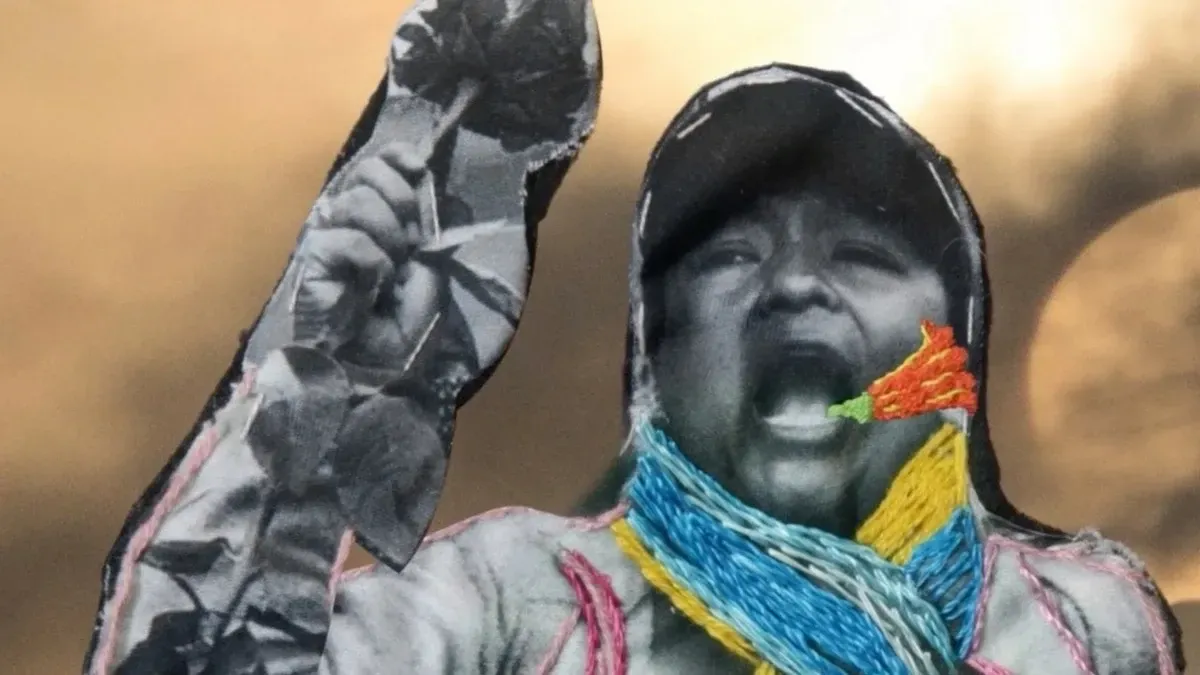
Madre en Proceso
Short animated documentary that narrates the process of pregnancy of a woman in the middle of the social protests of October 2019 in Ecuador, and her process of giving birth in the midst of the COVID pandemic during 2020.
Directed by Carlina Derks Bustamante
Ecuador, 2023
2023
American Dream
African-American women in the US are at especially high risk; they are nearly 4 times more likely to die of pregnancy-related complications compared to European American. . They are also less likely to have access to adequate maternal health care services. Black women are by far the largest demographic to suffer these outcomes, it has been this way for decades and yet they are seldom able to make their voices heard. Its time for change. Through the documentary “the AMERICAN dream” the women tell their own stories: they know what is wrong, they share their hopes, they share their fears, and they share about their American dream, related to maternal health in the US.
Video: PAOLO PATRUNO, PAUL BROWN Editing & postproduction: PAOLO PATRUNO
2023
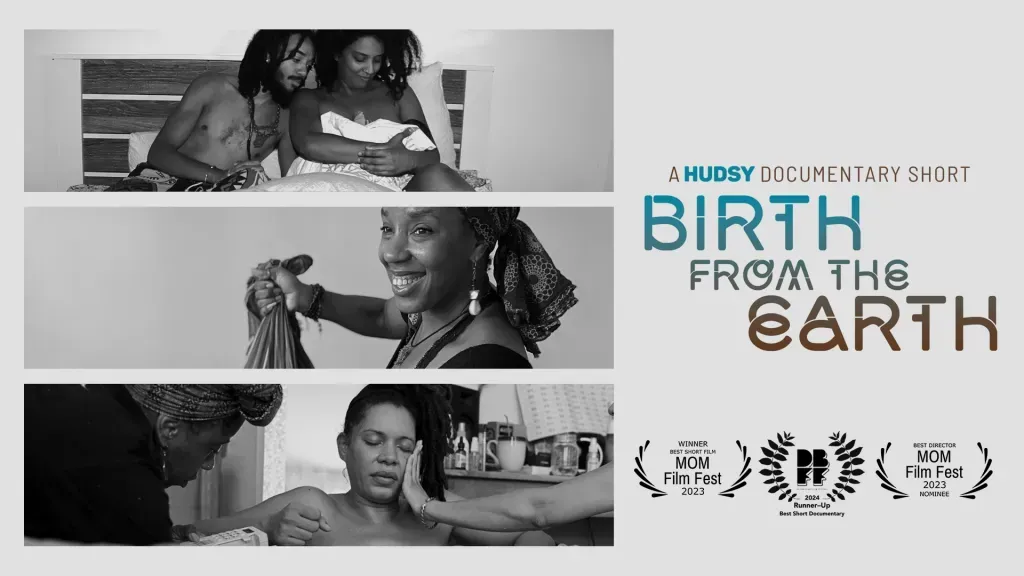
Birth from the Earth 2025
This inspiring and insightful documentary features Nubia Earth Martin, the founder of Birth From the Earth, a non-profit, dedicated to making home birth safe, sacred, and accessible to those who need it the most. As a midwife and educator, Nubia has made it her mission to address maternal health disparities that negatively impact BIPOC women, mothers, babies, and their families. Her commitment to creating equity, quality, and love through her birthing center has offered hundreds of women an alternative to the broken for-profit medical system. The film also features mothers and partners empowering home birth experiences and intimate photos and videos documenting the magical side of birthing at home.
To organize a screening, contact: [email protected]
2023
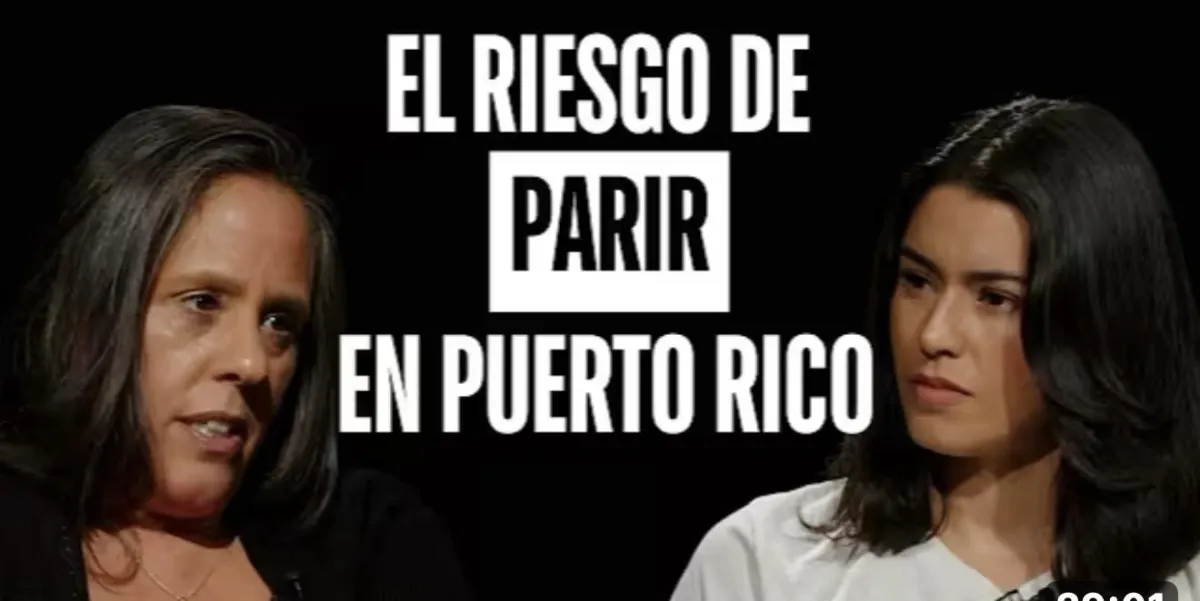
El Riesgo de Parir en Puerto Rico
P. En este episodio conversamos con Vanessa Caldari, partera y fundadora del Centro Mujeres Ayudando Madres (MAM), sobre las razones detrás de esta crisis y cómo la partería puede ser parte de la solución. Hablamos sobre por qué dar a luz en Puerto Rico puede ser tan peligroso, el preocupante aumento en las cesáreas, y la realidad de la violencia obstétrica que viven muchas mujeres embarazadas. Además, exploramos el propósito y el impacto del Centro MAM en la lucha por una maternidad más segura, respetuosa y humana. Aprende más sobre el Centro MAM: https://mujeresayudandomadres.org/
2023
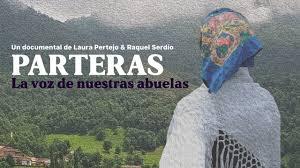
Documental Parteras la voz de nuestras abuelas .
Midwives/Birth, Spain
Parteras , la voz de nuestras abuelas es un documental creado y producido por Laura Pertejo, doula y guardiana del nacimiento y Raquel Serdio , docente de lengua y literatura y poetisa cántabra.
Juntas iniciaron en el 2019 una búsqueda de historias, biografías e imágenes de las ultimas parteras tradicionales cántabras que realizaron su labor hasta mediados del siglo xx .
Con ellas desapareció todo un linaje de honorables parteras jamás reconocidas , mas que por las gentes de los pueblos y aldeas que parieron con ellas o que nacieron entre sus manos.
La partería tradicional sigue viva en nuestros corazones y en el legado que muchas de nosotras queremos honrar y traer a la actualidad.
2025
Why Midwifery?Uncovering the Stories of Black Midwives and the Fight for Maternal Health Equity
For generations, the voices and contributions of Black midwives have been overlooked. Why Midwifery is a powerful documentary that shines a light on their stories—exploring the legacy, challenges, and transformative role of midwifery care in addressing the Black maternal health crisis in America.
Through personal narratives and expert insights, the film reveals how midwifery-led care offers a compassionate, community-centered solution to improving maternal health outcomes for Black women and birthing people.
2023
Jats'uts Meyah (2020)
Three postpartum mothers grapple with mental health concerns, lack of paid leave, and other challenges in the days, weeks, and months following birth.
Otavalo,Ecuador
APAK la Asociación de Productores Audiovisuales Kichwas, una organización sin fines de lucro, creada con acuerdo ministerial y domiciliada en la ciudad de Otavalo. Sus miembros pertenecen a los pueblos indígenas de la provincia de Imbabura, quienes dirigen sus esfuerzos hacia la revitalización cultural, el fortalecimiento de la identidad cultural y la promoción y defensa de los derechos humanos y de la naturaleza.
2023
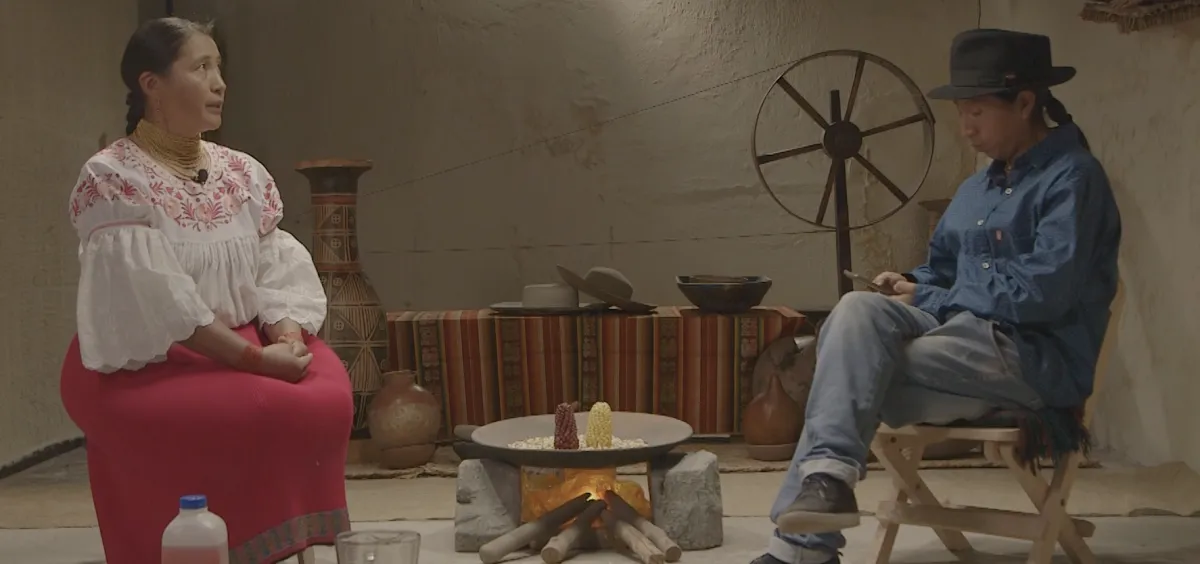
Calor y Frio en la medicina Ancestral
El calor y el frío son conceptos fundamentales de la medicina ancestral. Así existen plantas calientes y plantas frescas que deben utilizarse dependiendo de los síntomas de la persona. Aprende sobre ello a través de un diálogo ameno con Mama Encarnación de la Asociación de parteras Pakarichik Warmikuna.
2023
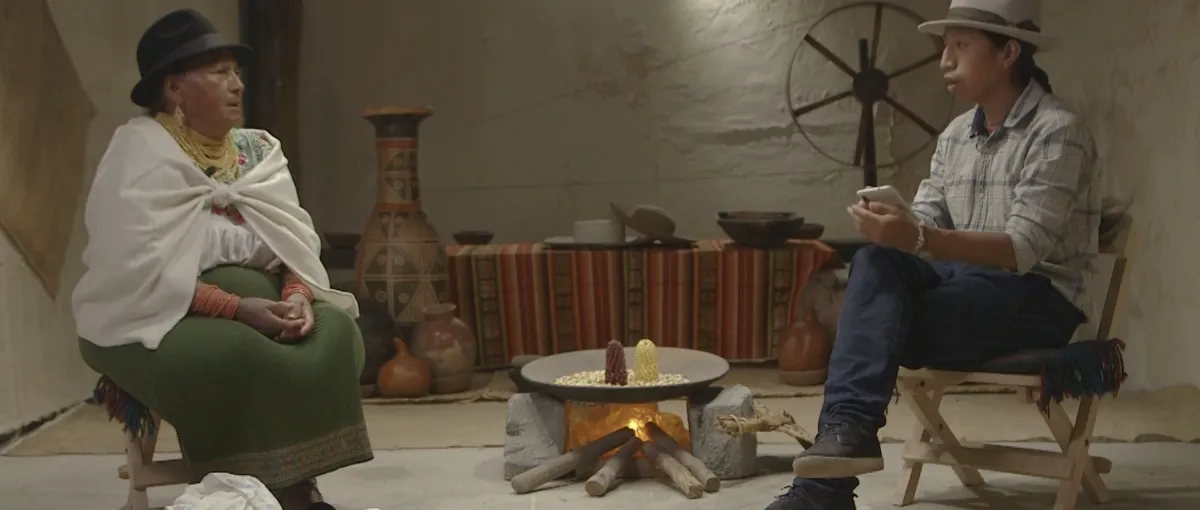
Secretos para recibir al LLULLU Wawa
Recibir a un bebé es toda una ciencia. En esta Tullpa Especial Mama Juana de la Asociación de parteras Pakarichik Warmikuna nos cuenta esos secretos que se han transmitido de generación en generación. Transferir este conocimiento a las nuevas generaciones es fundamental, porque de él depende el posterior desarrollo de los wawas.
2023
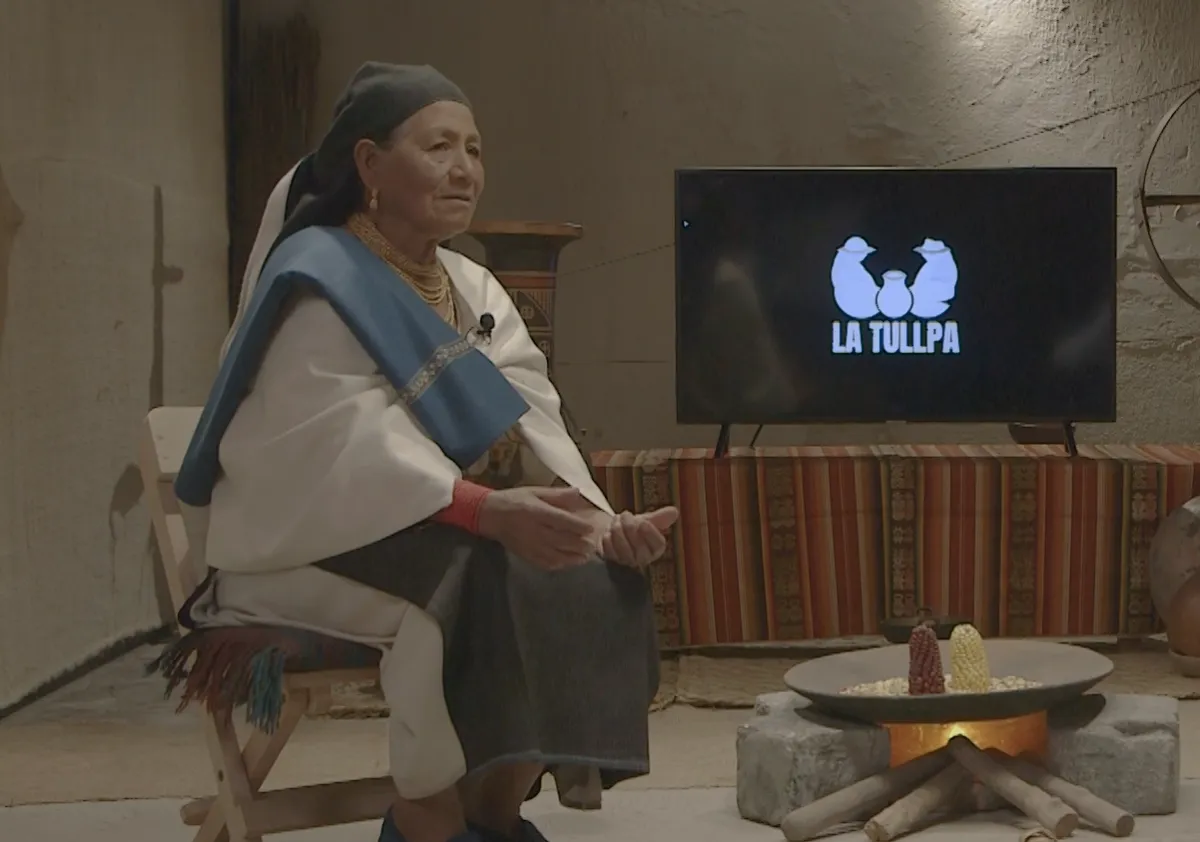
Cuidado Postparto Watachina
Es sabido que los cuidados postparto son necesarios y que de no hacerlos, quedan secuelas. De ahí la importancia del Watachina o encaderamiento. Veamos cómo lo hace Mama Virginia y sigamos sus consejos.